Your e-bike chain takes a beating. Between the extra torque from a Bosch or Shimano motor and the grit you pick up on daily commutes, it wears faster than a standard bike chain. Knowing how to clean e-bike chain properly is essential to prevent shifting delays, maintain battery range, and protect expensive motor seals. This guide walks you through a process for keeping drivetrains running clean, quiet, and efficient.
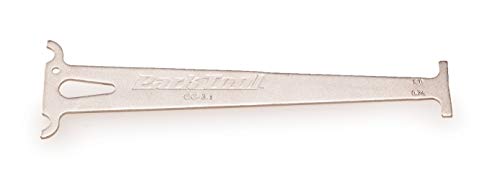
How this was produced: Electric Ride Reviews does not buy, ride or test the products it covers. A chain checker such as the Park Tool chain checkers shows when a chain has worn enough to replace.
Why How to Clean E-Bike Chain Matters More Than Regular Bikes
E-bike motors amplify every inefficiency in your drivetrain. A standard bike with a dirty chain might lose 5-8% of your pedaling power to friction. An e-bike with a neglected chain loses that same percentage, but it compounds faster because the motor is working harder against accumulated grit and dried lubricant.
When you learn how to clean e-bike chain regularly, you’re protecting three critical systems:
- Motor efficiency: A clean chain reduces drag, which means your battery lasts longer per charge.
- Derailleur performance: Grit buildup causes sluggish shifting and skipped gears, especially noticeable in high-assist mode when quick gear changes matter most.
- Motor seal longevity: Contaminated lubricant can migrate into motor casings, compromising sealed bearings and accelerating wear on internal components that are expensive to replace.
Tools You Need to Clean E-Bike Chain: The Complete List
You don’t need expensive equipment to learn how to clean e-bike chain effectively. These tools cover maintenance for the next 2-3 years:
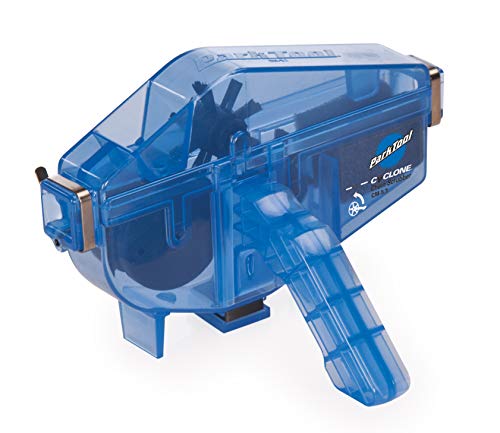
- Chain cleaning tool: A Park Tool GSC-1 or Muc-Off chain scrubber holds your chain while brushes rotate against it. It cleans the chain without dunking it in solvent.
- Stiff brush: An old toothbrush or dedicated bike brush works for hard-to-reach spots around the cassette and chainring teeth.
- Degreaser: Choose biodegradable options like Muc-Off Bio Degreaser or Finish Line Citrus Degreaser. Avoid harsh solvents that damage seals.
- Clean rags: Microfiber cloths prevent lint from sticking to fresh lubricant. Old cotton t-shirts work in a pinch.
- Chain lubricant: We recommend wet lubes for commuters (better water resistance) and dry lubes for fair-weather riders. See the lubricant section below for specific products.
- Small bucket: A 2-3 gallon container holds enough degreaser to submerge the chain cleaning tool.
- Work stand (optional): A magnetic bike stand keeps your e-bike stable while you work. Less essential for apartment dwellers but saves your back on longer projects.

Step-by-Step: How to Clean E-Bike Chain Like a Pro
Step 1: Shift to the Small Chainring and Smallest Cog
Before you start how to clean e-bike chain, position your drivetrain to reduce tension. Shift to your smallest chainring (front) and smallest cog (rear). This slackens the chain and gives you access to more links without fighting the derailleur. If your e-bike has a single-speed drivetrain, skip this step.
Step 2: Install the Chain in Your Cleaning Tool
Feed the chain into your cleaning tool’s channel. Most tools like the Park GSC-1 have rotating brushes on the top, bottom, and inside surfaces. The chain should sit snugly so brushes contact all four sides as you rotate the crank backward. Don’t use the pedals to rotate—grip the crank arm directly so you control speed and avoid sudden spins.
Step 3: Apply Degreaser and Scrub
Pour your chosen degreaser into the cleaning tool’s reservoir (if it has one) or apply it directly to the chain. Rotate the crank backward 10-15 full rotations, applying light to medium pressure. You should see brown or gray grit suspended in the degreaser. For heavily soiled chains, repeat with fresh degreaser until the liquid runs mostly clear.
Pro tip: Work outside or in a well-ventilated garage. Degreaser fumes build up fast in enclosed spaces, and spills are easier to manage on concrete than wood floors.
Step 4: Rinse with Water
Remove the chain from the cleaning tool and rinse it under running water. A garden hose works, but a low-pressure spray nozzle is safer for O-ring chains (found on most modern e-bikes). High-pressure washers can force water past O-rings and into the chain’s internal rollers. Rotate the crank backward while rinsing to flush degreaser from the chain’s interior.
Step 5: Dry the Chain Completely
Moisture is the enemy of smooth operation and chain longevity. Use a clean microfiber cloth and wipe the entire chain by rotating the crank backward through 3-4 full rotations. Pay special attention to the gaps between inner and outer plates where water hides. If you have compressed air, a short 1-2 second blast on low pressure (30-40 PSI) removes trapped water from tight spaces.
Step 6: Lubricate Each Link
Apply lubricant to the chain’s inner surfaces, where the rollers sit. Rotate the crank backward slowly while you apply lube, aiming for the gap between inner and outer plates on each link. One drop per link is the target. After applying, rotate the crank 10-15 full times to work lubricant into the rollers and bushings.
Critical mistake to avoid: Don’t over-lubricate. Excess lubricant acts like a dirt magnet, attracting grit and dust before your next ride. Wipe away any visible excess with a clean cloth 5-10 minutes after application, once the lubricant has penetrated the chain’s interior.
Choosing the Right Lubricant When You Clean E-Bike Chain
Not all lubricants perform equally. Your choice depends on climate and riding conditions:
Wet Lube (Best for Commuters)
Wet lubes are thicker, water-resistant, and stick to the chain longer. They’re ideal if you ride in rain, through puddles, or on wet roads. Downsides: they attract more dirt and require more frequent cleaning (every 200-300 miles vs. 400-500 for dry lube).
Top picks:
- Finish Line Wet Lube: Affordable and widely available.
- Muc-Off Wet Lube: Premium option with excellent water resistance and low friction.
- Rock n Roll Gold: Low throw-off rate (less grit attraction).
Dry Lube (Best for Fair-Weather Riders)
Dry lubes use a light carrier that evaporates, leaving behind a dry, slick wax or PTFE coating. They attract minimal dirt, require less frequent cleaning, and keep your bike looking clean. Downsides: they wash off faster in wet conditions and require more frequent reapplication if you ride in rain.
Top picks:
- Finish Line Dry Lube: Fast-drying, low friction, cheap. Best for casual weekend riders.
- Muc-Off Dry Lube: Slightly better water resistance than Finish Line, premium quality.
- Squirt Chain Lube: Unique ceramic-based formula, excellent longevity (500+ miles), pricier but lasts longer than cheaper options.
How Often Should You Clean E-Bike Chain?
Maintenance frequency depends on your riding conditions and the type of lubricant you use:
- Dry conditions, dry lube: Clean every 500-600 miles or monthly, whichever comes first.
- Dry conditions, wet lube: Clean every 300-400 miles or every 2 weeks.
- Wet conditions, dry lube: Clean every 250-300 miles (lube washes off faster).
- Wet conditions, wet lube: Clean every 200-300 miles. Most frequent, but provides best protection.
Quick inspection method: Run your finger along the chain while rotating the crank. If it feels gritty, it’s time to clean. If it feels slick and dry, just add a drop or two of lube to each link without a full cleaning.
Signs Your E-Bike Chain Needs Replacement
Even with proper maintenance, chains eventually wear out. Replacing a chain is inexpensive, though the price depends on brand and specifications. Not replacing a worn chain costs you a cassette and potentially a chainring when the chain skips under load.
Watch for these warning signs:
- Skipping under power: The chain jumps a tooth on the cassette when you pedal hard or use full motor assist. This damages teeth and reduces shifting precision.
- Sluggish shifting: It takes longer than normal for the chain to move between cogs, even after a thorough cleaning and lubrication.
- Stiff links: One or more links don’t bend smoothly when you flex the chain by hand. This indicates rust or internal damage and usually means replacement is needed.
- Chain checker reading: Use a Park Tool CC-3.2 to measure stretch. Most chains reach end-of-life at 0.75-1.0% elongation. E-bike chains wearing faster means checking every 6 months if you ride frequently.
Why E-Bike Chains Wear Faster (And What You Can Do About It)
E-bike motors deliver constant torque even before you’ve fully accelerated. A 250-500W motor applies force every pedal stroke, unlike human legs which vary power output naturally. This creates three conditions that accelerate chain wear:
1. Higher average tension: Standard bikes average 400-600 Newtons of force through the chain. E-bikes maintain 800-1,200+ Newtons continuously. Higher tension bends the chain’s pins and plates more aggressively with each pedal stroke, accelerating metal fatigue.
2. Reduced shifting quality: Motor assist tempts riders to shift under hard load. Shifting while the motor is at full power stresses the chain and derailleur more than human-powered bikes, where riders instinctively ease pedal pressure during gear changes.
3. Contamination exposure: E-bike riders often tackle terrain they wouldn’t on unpowered bikes. Muddy trails, wet commutes, and snowy paths that would be exhausting without a motor are easy with assist. More varied terrain means more grit exposure and faster contamination.
Mitigation strategies:
- Shift to lower assist levels before changing gears. Reduce motor power, shift, then increase assist again.
- Use heavier-duty chains. Brands like KMC e-Ride and Shimano e-chains are reinforced for motor loads.
- Clean and lubricate every 200-300 miles during muddy season, even if conditions don’t seem visibly dirty. Contamination is often hidden beneath the chain’s outer plates.
Common Mistakes When You Clean E-Bike Chain (And How to Avoid Them)
Mistake 1: Using the Wrong Degreaser
Harsh solvents like gasoline, acetone, or industrial degreasers can damage O-ring seals and leave residue that attracts dirt. Stick to bike-specific degreasers or mild citrus-based options that won’t harm seals or the environment.
Mistake 2: High-Pressure Washing
Pressure washers above 60 PSI force water into sealed bearing surfaces and can rupture chain O-rings. If using a pressure washer, set it to low pressure (under 40 PSI) and keep the nozzle at least 12 inches from the chain.
Mistake 3: Over-Lubrication
Excess lubricant doesn’t make your chain quieter or faster. It only attracts dirt, increases drag, and requires more frequent cleaning. One drop per link is the professional standard. Wipe excess after 10 minutes of riding to prevent dirt attraction.
Mistake 4: Neglecting the Cassette and Chainrings
A clean chain on a dirty cassette still performs poorly and wears faster. When you clean your chain, take 5 minutes to scrub the cassette cogs and chainring teeth with a stiff brush and degreaser. This removes buildup that accelerates chain wear.
Tools for Cassette and Chainring Cleaning
After you’ve learned how to clean e-bike chain, maintaining the rest of your drivetrain is straightforward:
- Cassette cleaning tool: A thin brush or old toothbrush fits between cogs. Park Tool GSC-2 has a thin wire that scrapes between teeth effectively.
- Chainring brush: Dedicated brushes with multiple bristle angles reach tight spots between chainring teeth. Muc-Off and Park Tool both offer these.
- Degreaser: Same products you use for chains work on cassettes and chainrings. Apply generously, scrub with a brush, and rinse thoroughly.
Frequency: How Often to Service Your Full Drivetrain
A complete drivetrain service (chain, cassette, chainrings) should happen annually for casual riders and every 6 months for commuters who ride 5+ days per week. Between full services, clean the chain and lightly brush the cassette monthly or every 300-500 miles.
Frequently Asked Questions About E-Bike Chain Maintenance
Q: Can I use the same lubricant on my e-bike as my road bike?
A: Yes, but e-bikes benefit from slightly heavier wet lubes due to higher motor torque and contamination exposure. Road bikes with dry lube often shift slower and wear faster when used on e-bikes.
Q: Is it safe to clean my e-bike chain while the battery is installed?
A: Yes. The battery powers the motor only when you pedal (with torque sensors) or squeeze the throttle (throttle-equipped bikes). Simply don’t pedal or engage the throttle while working on the chain. Some riders prefer removing the battery for peace of mind, which is also fine.
Q: How do I know if my chain has O-rings?
A: Look closely at the chain’s sides. O-ring chains have visible rubber seals between the outer and inner plates. Modern e-bikes almost always have O-ring chains. Standard bike chains from the 1980s-1990s don’t. If you see gaps between plates, it’s not O-ringed and can handle more aggressive cleaning.
Q: What’s the difference between e-bike-specific chains and regular chains?
A: E-bike chains are reinforced with hardened steel pins and plates to withstand the constant high torque from the motor. Regular chains have softer materials and wear 30-40% faster under motor load. Always use e-bike-specific chains when replacing.
Q: Can I reuse a chain on a new cassette?
A: Only if the chain’s wear is under 0.5% elongation (checked with a chain checker). If your chain is 0.5-0.75% worn, it has adapted to your old cassette’s tooth profile. Installing it on a new cassette causes shifting issues and accelerated wear on the new parts. When replacing a cassette, replace the chain too if it’s over 0.5% worn.
Q: Does my e-bike chain need more frequent replacement than a standard bike?
A: Yes. E-bike chains typically last 800-1,500 miles versus 2,000-3,000 miles for standard bikes. Motor torque accelerates wear, making quarterly or twice-yearly chain checkups essential if you ride frequently.
Summary: Keep Your E-Bike Chain Healthy
Learning how to clean e-bike chain properly takes 20-30 minutes and needs only basic tools. The payoff is a longer-lasting chain, better range per charge, and smooth shifting that makes every ride more enjoyable. For commuters and outdoor enthusiasts relying on their e-bikes as primary transportation, chain maintenance is the single most important upkeep task after tire pressure and brake checks.
Start with a thorough cleaning this week, invest in a good wet or dry lube matched to your climate, and set a phone reminder to inspect your chain every 300 miles. Your motor, your wallet, and your riding experience will thank you.
