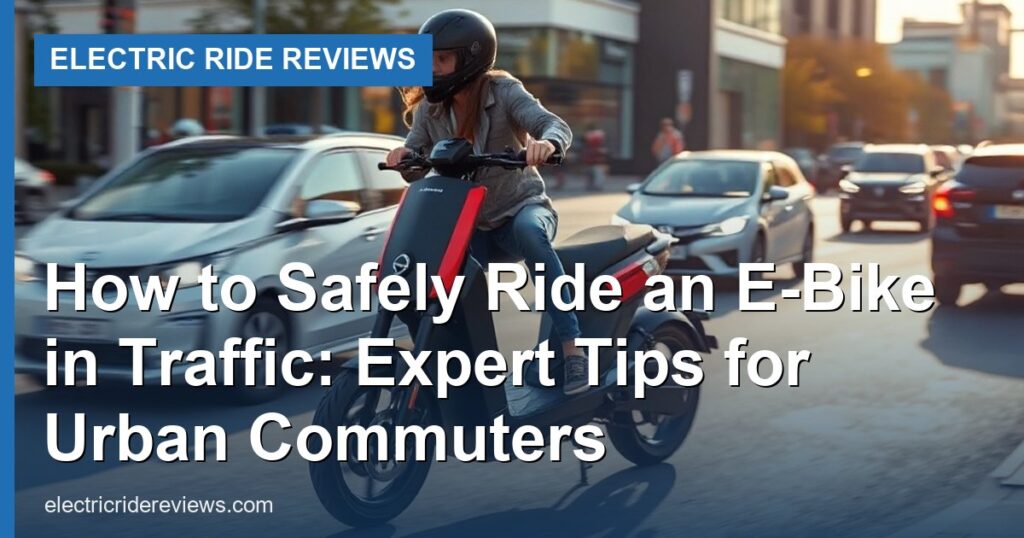
How to Safely Ride an E-Bike in Traffic: Expert Tips for Urban Commuters
Lane positioning, door zones, right-hook prevention and two-finger braking for urban riders moving at 20 to 28 mph in traffic built for cars.
Lane positioning, door zones, right-hook prevention and two-finger braking for urban riders moving at 20 to 28 mph in traffic built for cars.
A five-step charging routine, the 20 to 80 percent rule, and why you connect the charger to the battery before the wall outlet. Safety and cycle life.
Frame size decides comfort and control more than motor power. Height charts, inseam math and the adjustments that fine-tune fit once the frame is right.
You cannot feel pedal-assist response through a screen. Where to find test rides before buying online, what to check on one, and how returns protect you.

A full chain-care walkthrough: the tools and degreasers worth buying, technique by riding condition, and how often to repeat it to avoid repair bills.
Which e-bike upgrades actually earn their cost: lighting, saddle and grips, locks, racks, brakes and firmware, with warranty risks flagged for each.
A winter storage checklist: what charge level to leave the battery at, safe temperature range, monthly checks, and how to recommission it in spring.
Riding an e-bike in traffic safely: what speed to hold, where to sit in the lane, bike-lane legality, and how to learn from the close calls.
Most range gains come from technique, not hardware. Covers assist level, tire pressure, load, wind and terrain, batteries and maintenance.
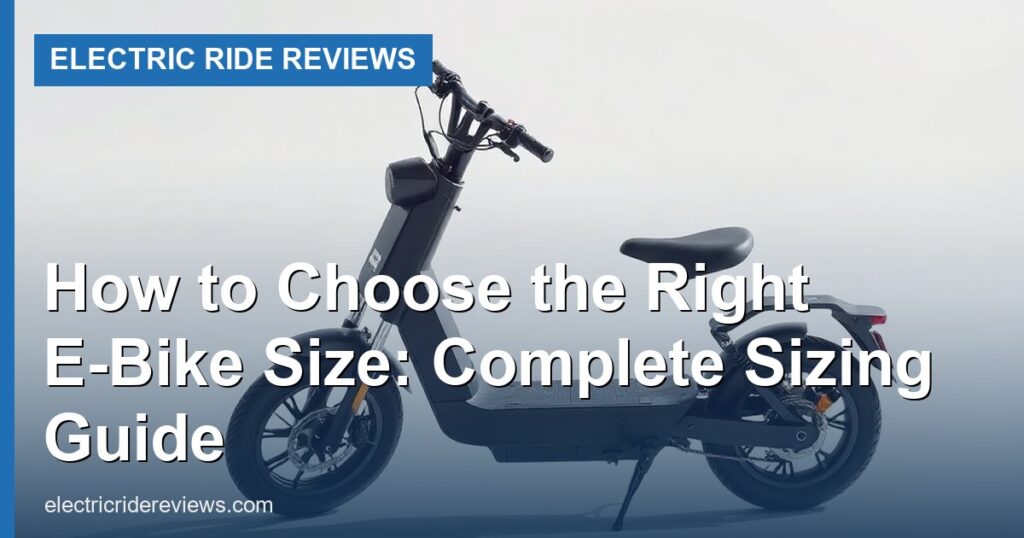
Brand sizing charts disagree with each other. How to measure inseam and reach, when to size up or down, and how step-through frames change the math.