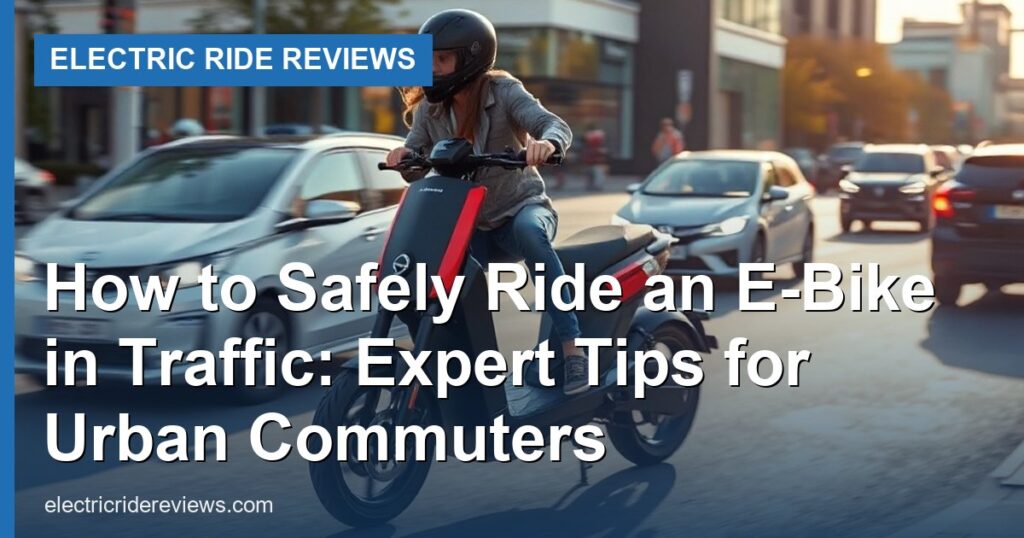
How to Safely Ride an E-Bike in Traffic: Expert Tips for Urban Commuters
Lane positioning, door zones, right-hook prevention and two-finger braking for urban riders moving at 20 to 28 mph in traffic built for cars.

Lane positioning, door zones, right-hook prevention and two-finger braking for urban riders moving at 20 to 28 mph in traffic built for cars.
Which e-bike upgrades actually earn their cost: lighting, saddle and grips, locks, racks, brakes and firmware, with warranty risks flagged for each.
A winter storage checklist: what charge level to leave the battery at, safe temperature range, monthly checks, and how to recommission it in spring.
Trek Verve+ 3 Bosch mid-drive against the Specialized Turbo Vado SL hub motor, compared on published specs. Trek has archived the Verve+ 3 page.
Most range gains come from technique, not hardware. Covers assist level, tire pressure, load, wind and terrain, batteries and maintenance.
Renter and homeowner policies often cap bicycle theft well below what an e-bike costs. Standalone coverage options, liability limits and what to compare.
Most e-bikes need no registration, but some states want a title and plates. What decides it: wattage, assisted top speed and whether you have a throttle.

A buying guide to youth e-bikes: Class 1 rules, frame fit for growing riders, helmets, battery range and what to check before you buy.
Trek Verve+ 3 vs Specialized Turbo Vado SL 4.0 compared from specs. Trek has archived the Verve+ 3 page and most Vado SL sizes are out of stock.
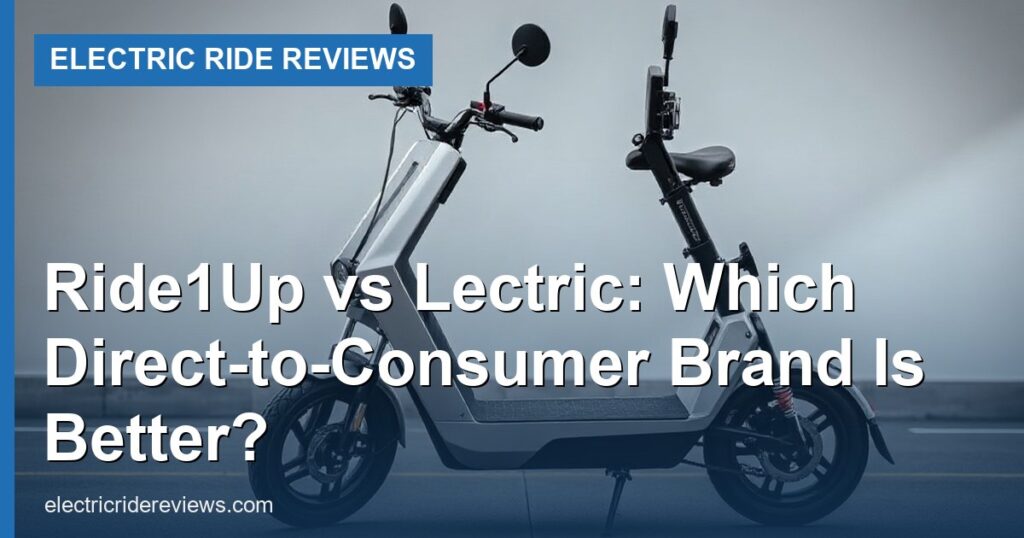
Ride1Up bigger battery holds up better in cold, where you lose 20 to 30 percent of range at 30 degrees. Lectric wins on folding and on price.