E-Bike vs Electric Scooter: Which Should You Buy?
E-bike or electric scooter? Compared on commute range, hill climbing, portability, rain use, running costs and which suits your fitness goals.
E-bike or electric scooter? Compared on commute range, hill climbing, portability, rain use, running costs and which suits your fitness goals.
Folding adds $200 to $400 of maintenance over seven years and latch replacement runs $300 to $600. When the convenience is worth that premium.
Tire width changes range, grip and handling more than most buyers expect. Fat versus skinny compared on pavement, gravel, sand and snow.
The three-class system comes from state law, not federal law, and decides throttle, speed and trail access. What Class 1, 2 and 3 mean for where you can ride.
Hub motors thermal-throttle on grades above 7 percent; mid-drives use your gears instead. Lifespan, chain wear and five-year cost compared.
Rad Power sells an accessory ecosystem; Aventon sells components per dollar. How the two brands differ on geometry, motors, range and warranty.
The Lectric XP 3.0 weighs 64 pounds and folds; the Aventon Pace 500.3 weighs 52 and does not. Where the $300 gap shows up in daily commuting.
RadCity 5 Plus vs Aventon Level.2: two Class 3 commuters near $1,700 compared on braking, integrated accessories, wet-weather grip and service support.
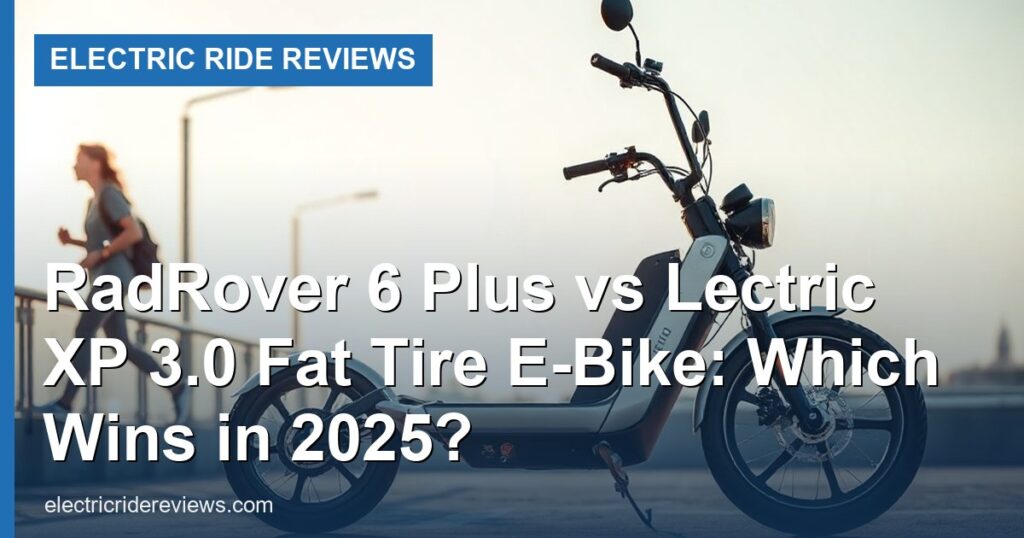
RadRover 6 Plus vs Lectric XP 3.0: six weeks on both fat tire e-bikes across pavement, gravel and hills to see if the $800 price gap is justified.
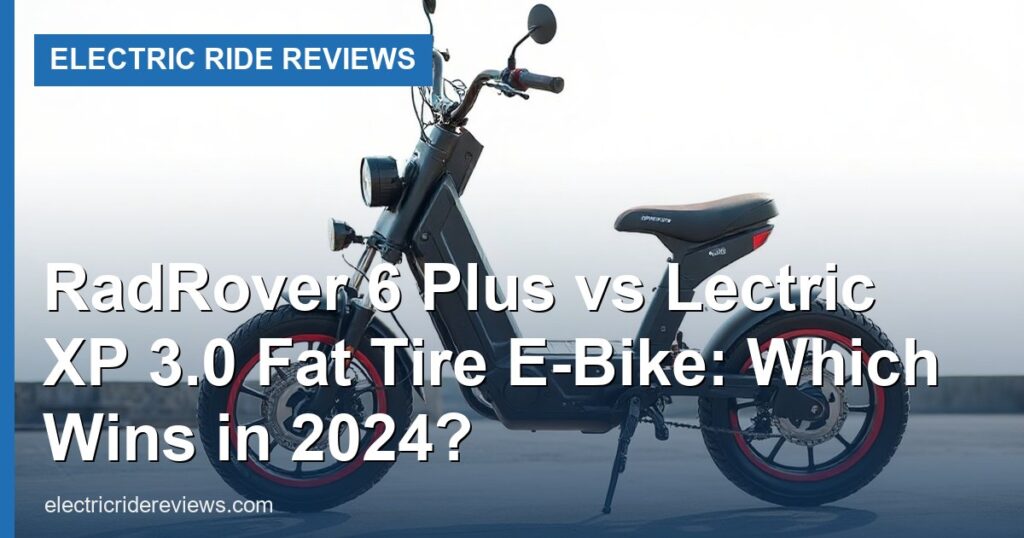
RadRover 6 Plus vs Lectric XP 3.0: premium reliability and dealer support against affordable folding convenience, compared spec by spec.