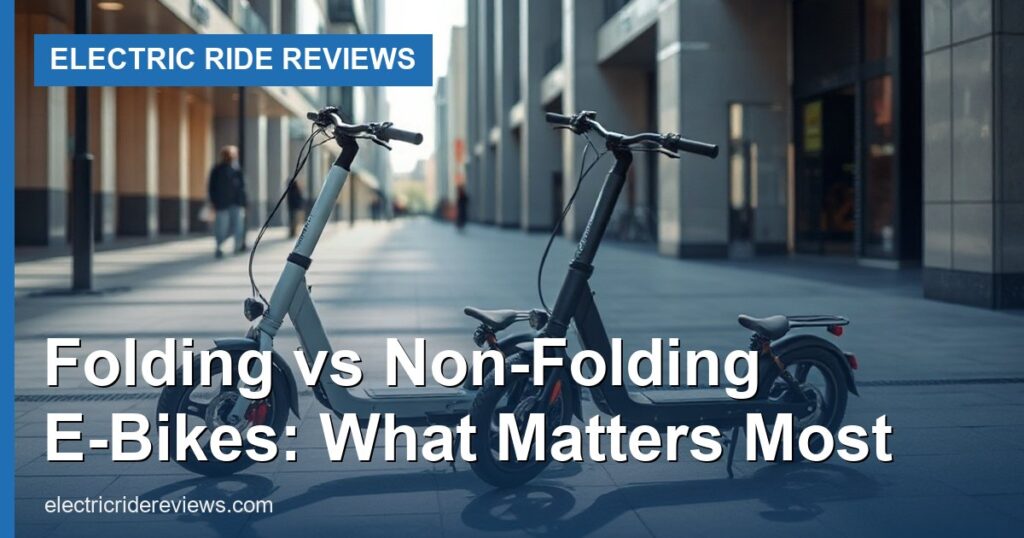
Folding vs Non-Folding E-Bikes: What Matters Most
Folding adds $200 to $400 of maintenance over seven years and latch replacement runs $300 to $600. When the convenience is worth that premium.

Folding adds $200 to $400 of maintenance over seven years and latch replacement runs $300 to $600. When the convenience is worth that premium.
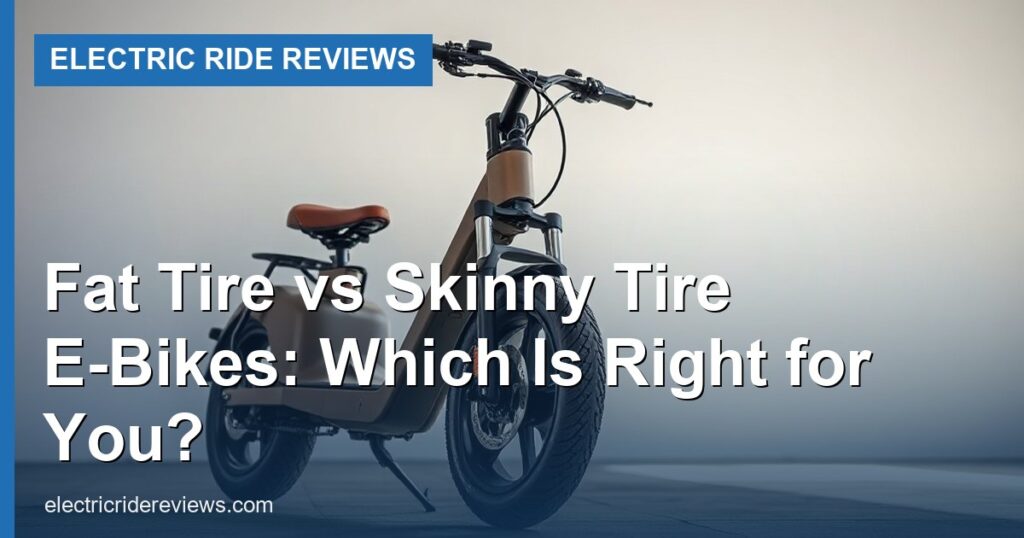
Tire width changes range, grip and handling more than most buyers expect. Fat versus skinny compared on pavement, gravel, sand and snow.
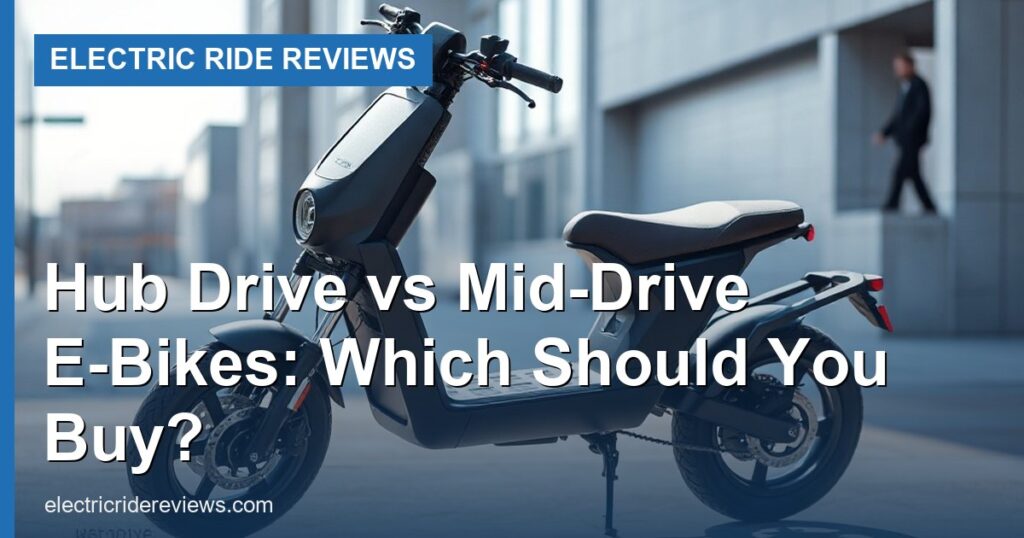
Hub motors thermal-throttle on grades above 7 percent; mid-drives use your gears instead. Lifespan, chain wear and five-year cost compared.
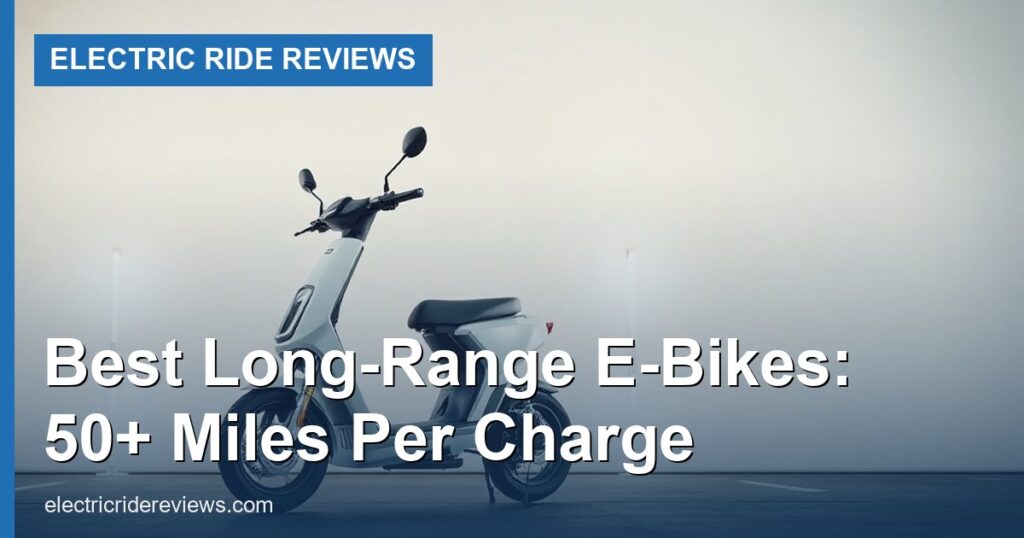
E-bikes that genuinely clear 50 miles per charge, plus charge times, dual-battery options and how much capacity you lose after two and five years.
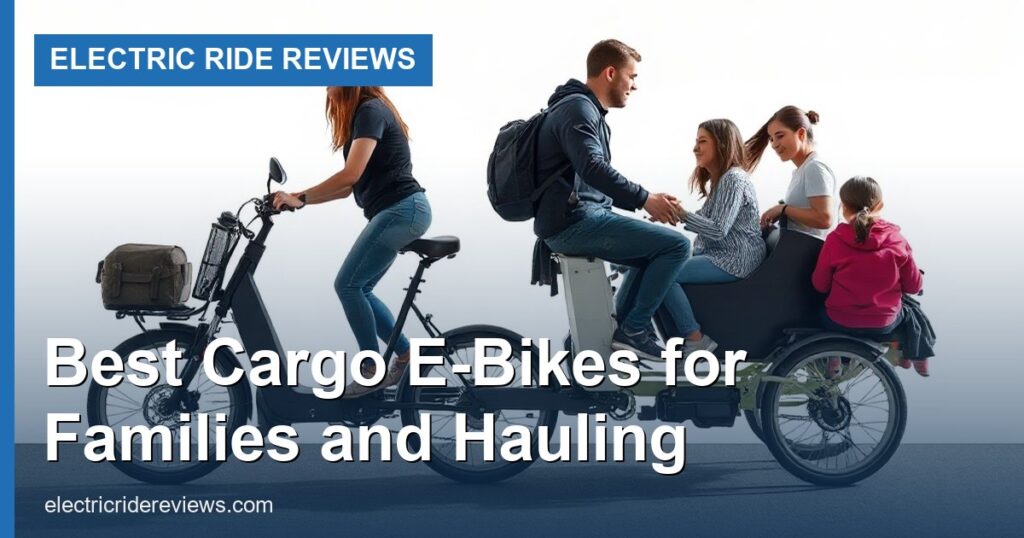
The best cargo e-bikes for families and hauling. Tested longtails, front-load box bikes and utility frames to match the right platform to your routine.
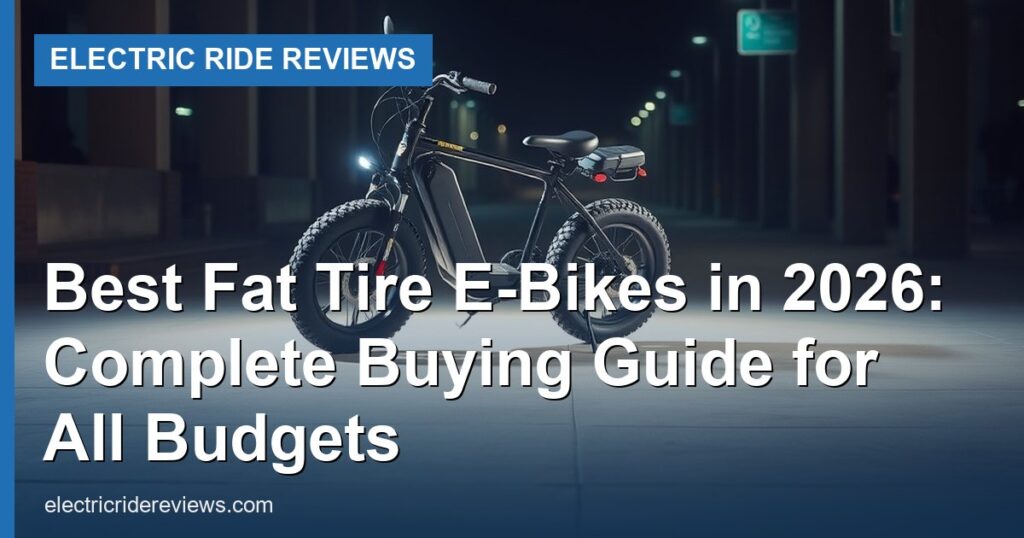
The complete fat tire e-bike buying guide for 2026. Which models earn their price across every budget, and whether fat tires suit how you actually ride.

The best e-bikes for hills: how motor type, torque and gearing decide a climb. Our tested mid-drive and high-torque picks for steep terrain under $3,000.
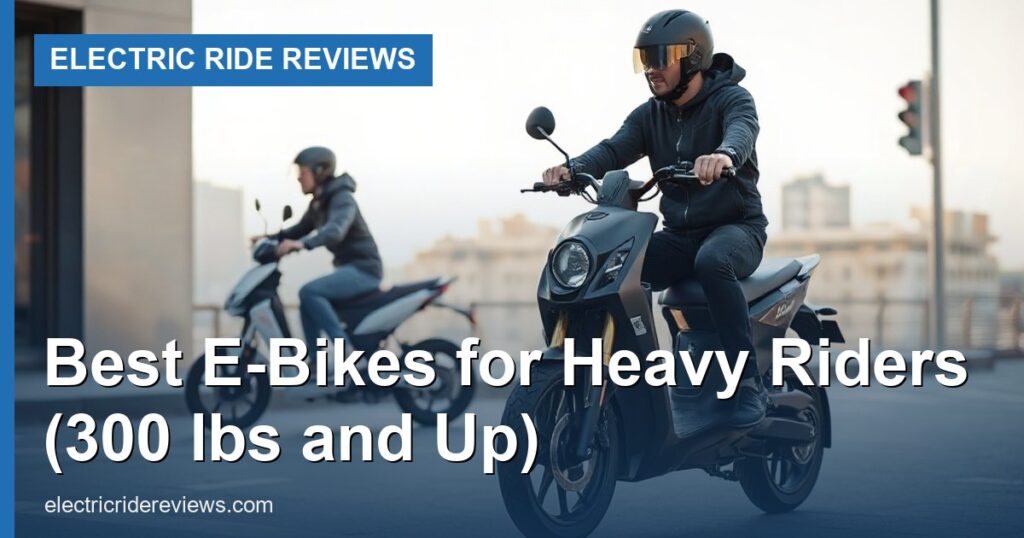
The best e-bikes for heavy riders at 300 lbs and up. We look past marketing to verified payload limits, motor torque and long-term frame durability.
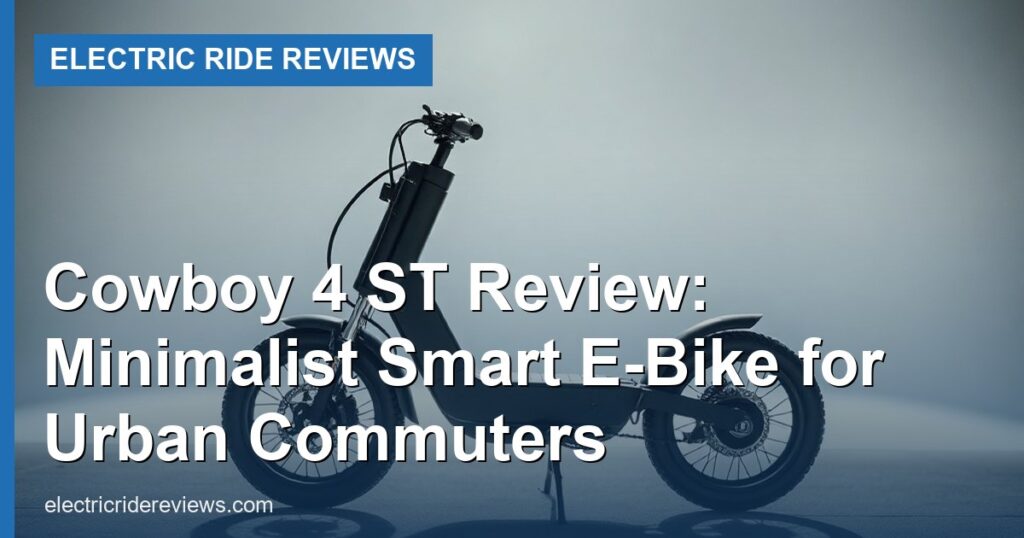
Cowboy 4 ST review: auto-power assist, theft detection and the 250W motor examined to see if the minimalist design earns its premium.
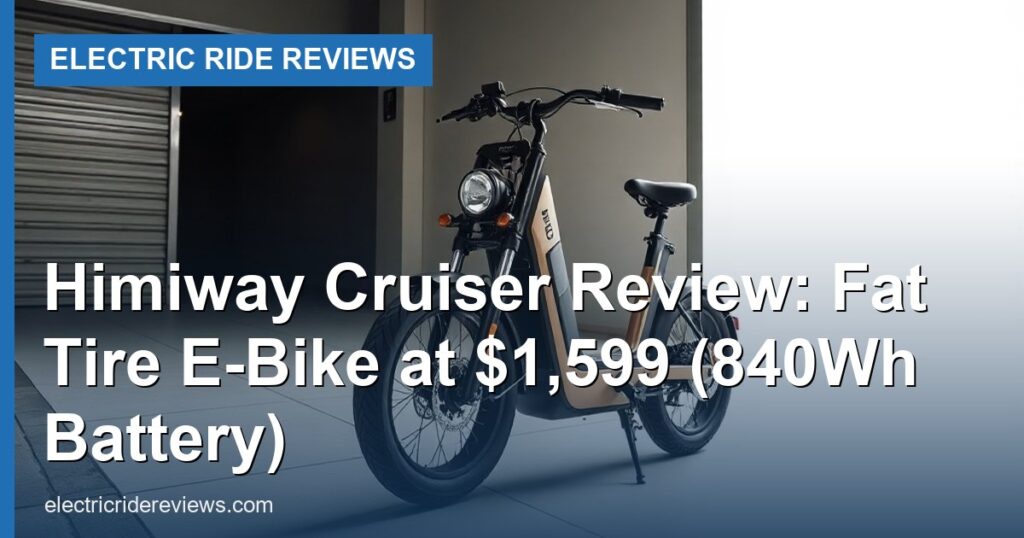
Himiway Cruiser review: an 840Wh Samsung battery and 750W motor for $1,599, examined against published specs and owner reports.