Trek Verve+ vs Specialized Turbo Vado SL: Premium Commuter E-Bike Battle
When comparing Trek Verve+ vs Specialized Turbo Vado SL, you are choosing between two fundamentally different approaches to premium commuter e-bikes. The Trek Verve+ puts proven mid-drive reliability at the center of the equation. The Specialized Turbo Vado SL prioritizes an almost invisible hub motor that keeps the bike feeling light and lively. Both sit at the top of the premium commuter e-bike category. Trek lists the Verve+ 3 as Class 1 with assist up to 20 mph, and Specialized lists assist up to 28 mph on the Turbo Vado SL 4.0 (checked October 6, 2026). Both are sold and serviced through extensive local bike shop networks. But they take divergent engineering paths to solve the same problem: fast, dependable commuting without the sweat equity.
This comparison covers motor specifications, weight trade-offs, battery capacity, dealer support, and the intangible factors that define daily ownership, drawn from published specs and owner reports.
How this review was produced: Electric Ride Reviews does not buy or ride the models it covers. This review is a desk analysis of the manufacturer’s published specifications, the owner’s manual and support documentation, safety certification listings, and publicly available owner reports and third-party coverage. Figures here are manufacturer claims or reported owner results and are attributed as such; this site does not run its own instrumented tests.
Price Comparison: Trek Verve+ vs Specialized Turbo Vado SL Value
Trek’s page for the Verve+ 3 is archived, with no replacement offered and no price shown, and Trek’s current lineup lists the Verve+ 3 Lowstep (checked October 6, 2026). Specialized lists the Turbo Vado SL 4.0, and its Turbo Vado line also lists a newer Turbo Vado SL 2 4.0 (Specialized does not say it replaces the SL 4.0). Online stock for the SL 4.0 was down to a single size and color in October 2026. The spec sheets tell a deeper story about where each brand invested component dollars.
The Verve+ 3 comes equipped with a Bosch Performance Line motor, a 545 Wh Bosch PowerPack battery, a 9-speed Shimano Alivio drivetrain, hydraulic disc brakes, full fenders, a rear rack, integrated lights powered by the main battery, and a kickstand. The Vado SL 4.0 EQ includes the Specialized SL 1.1 motor, a 320 Wh integrated battery, an 11-speed Shimano GRX groupset, hydraulic brakes, the same commuter accessories, plus Specialized’s Future Shock 2.0 headset suspension and a carbon fork.
If you plan to add a range extender later, the Vado SL accepts a 160 Wh bottle-cage battery that adds roughly 40 percent more capacity. The Verve+ does not offer a factory range extender, though some riders carry a spare Bosch PowerTube. For many commuters, the choice comes down to whether you value the smoother, more powerful mid-drive torque of the Bosch system or the lighter, more natural pedaling feel of the Mahle hub motor.
| Spec | Trek Verve+ 3 | Specialized Turbo Vado SL 4.0 EQ |
|---|---|---|
| Motor | Bosch Performance Line (mid-drive) | Specialized SL 1.1 |
| Torque | 75 Nm | 35 Nm |
| Battery | 545 Wh Bosch PowerPack | 320 Wh integrated (+ optional 160 Wh extender) |
| Claimed Range | Not published on the archived page (Lowstep listing: up to 68 miles) | Up to 80 miles in eco mode (up to 120 miles with Range Extender) |
| Weight (size M) | 60.17 lb (size M) | 34 lb 2.7 oz (15.5 kg, size M) |
| Drivetrain | Shimano Alivio 9-speed | Shimano GRX 11-speed |
| Fork | Suntour NCX suspension (63 mm) | Carbon rigid with Future Shock 2.0 (20 mm) |
| Class | Class 1 (20 mph assist) | Assist up to 28 mph (class not named by Specialized) |
Motor and Feel: Trek Verve+ Mid-Drive Power vs Turbo Vado SL Hub Motor
The motor choice defines the riding character of each bike. The Trek Verve+ uses a Bosch Performance Line mid-drive motor that Trek lists at 75 Nm of torque. The Specialized Turbo Vado SL uses the Specialized SL 1.1 motor, which Specialized lists at a 35 Nm peak. On paper, the Bosch advantage looks decisive. How much that matters depends on your terrain and riding style.
The Bosch mid-drive drives the crank directly. That means power multiplies through your gearing. When you hit a steep hill in a low gear, the motor torque gets multiplied by the cassette ratio.
The Specialized SL 1.1 in the Vado SL drives the rear wheel directly. It does not benefit from gear multiplication. Its 35 Nm is what you get at the wheel regardless of gear. On steep grades (think 10 percent or steeper), the Vado SL requires more rider input. The motor helps, but it does not flatten hills the way the Bosch does.
Both motors offer multiple assist modes. The Bosch system uses Eco, Tour, Sport, and Turbo. The Mahle system uses three levels plus a walk mode. Both are controlled via handlebar remotes with small displays. The Bosch Purion display on the Verve+ is basic. The Specialized MasterMind TCU on the Vado SL is a full-color touchscreen with Bluetooth, ANT+, and on-screen navigation when paired with the Specialized app. If you love data, the Specialized unit wins. If you want simplicity, the Bosch unit wins.
Weight and Portability: The Gap Between the Two
This is the most dramatic spec difference between Trek Verve+ and Specialized Turbo Vado SL models. Trek lists the Verve+ 3 at 60.17 pounds in a size medium. Specialized lists the Turbo Vado SL 4.0 at 15.5 kg (34 lb 2.7 oz). That gap changes how you live with the bike every day.
If you carry your e-bike up stairs, load it onto a roof rack, or hoist it onto a train, the Vado SL is much closer to a regular road bike. The Verve+ is far heavier to lift and carry.
On the ride, the weight distribution also differs. The Verve+ carries its mass low and centered around the bottom bracket. The Vado SL concentrates mass in the rear hub.
For car transport, both fit on standard hitch racks rated for 60 pounds per tray. The Verve+ pushes that limit. The Vado SL leaves plenty of margin. If you fly with your bike, the Vado SL can be packed into a standard bike case without removing the motor. The Verve+ requires motor removal or a specialized case. For multi-modal commuters, the weight advantage is a genuine lifestyle factor.
LBS Experience and Service: Why Local Bike Shop Support Matters
Both Trek and Specialized sell exclusively through authorized local bike shops. This is not a minor detail. It is a core part of the ownership proposition for premium commuter e-bikes. When your motor throws an error code, when your drivetrain needs adjustment, when you need a firmware update, you need a shop that has the diagnostic tools, the training, and the parts in stock.
Trek dealers use the Bosch Diagnostic Tool. Specialized dealers use the Specialized Retailer System. Both ecosystems are mature. Both have deep parts inventories. Both offer structured technician certification programs. In practice, you will find competent service for either brand in most metropolitan areas. Rural riders should verify dealer proximity before buying. A 90-minute drive for a warranty claim erodes the value proposition quickly.
Warranty coverage is similar. Both offer lifetime frame warranties to the original owner. Both cover motors and batteries for two years. Trek extends the Bosch motor warranty to three years in some regions. Specialized offers a lifetime warranty on the Future Shock components. The real differentiator is dealer goodwill. A shop that knows you, knows your bike, and prioritizes your repair because you bought there is worth more than any printed warranty. Buy from the shop you trust, and verify they stock parts for the specific model you are interested in.
Long-term ownership costs also favor the LBS model. Firmware updates, motor recalibrations, and battery health checks are often free or low-cost for bikes purchased in-house. Shops frequently offer service packages that bundle annual tune-ups, brake bleeds, and drivetrain replacements at a discount. Over five years, a $150 annual service package saves hundreds compared to ad-hoc repairs. This is true for both brands and represents real value beyond the initial purchase price.
Battery Range and Real-World Efficiency
Claimed range numbers are marketing tools. Real range depends on rider weight, terrain, wind, temperature, tire pressure, and assist level.
The Mahle X35+ hub motor adds no drag when coasting or pedaling above the assist cutoff, which helps efficiency on flats and descents. The Bosch system has slight internal drag even when off, but the larger battery more than compensates. If your commute is 25 miles each way with significant climbing, the Verve+ gives more margin without an extender. The Vado SL needs the extender for that scenario.
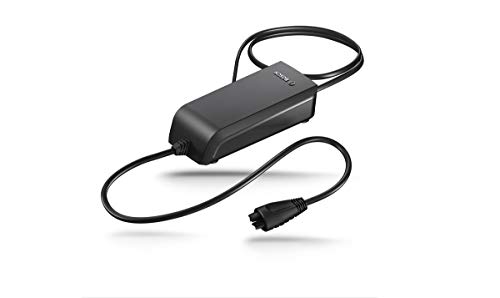
Charging times are comparable. Both use standard wall outlets. The Bosch charger on the Verve+ takes 3.5 hours for a full charge from empty. The Specialized charger takes about 4 hours for the internal battery alone. If you add the range extender, plan for 6 hours total charging time at home. For commuters with access to workplace charging, the Vado SL’s smaller battery becomes less of a limiting factor since you can top up during the workday.
Geometry and Comfort: Ride Position and All-Day Wearability
Both bikes are designed for upright commuter positions. The Trek Verve+ has a slightly more aggressive reach and a slacker seat tube angle that puts your center of gravity slightly forward. This works well for riders who want to feel connected to the bike even at urban speeds. The Specialized Turbo Vado SL has a slightly more relaxed geometry with a steeper seat tube that favors riders over 5 foot 10 inches tall.
The Verve+ comes with a Suntour NCX suspension fork with 63 mm of travel. This smooths out pothole impacts and rough pavement. The Vado SL uses a rigid carbon fork paired with Specialized’s Future Shock 2.0 headset suspension. Future Shock uses a spring-damped pivot at the head tube to absorb shock. It is lighter and more responsive than a full fork, but it does not match the bump absorption of 63 mm of fork travel. For smooth urban streets, the Vado SL is fine. For rough pavement or light gravel, the Verve+ wins.
Saddle comfort is personal. Budget for a saddle upgrade that matches your anatomy. This is true for any bike, and neither manufacturer deserves blame here.
Cargo and Utility: What You Can Actually Carry
The Trek Verve+ ships with an integrated rear rack rated for 50 pounds. The low center of gravity from the mid-drive motor helps stability when loaded.
The Specialized Turbo Vado SL also includes a rear rack, and its smaller motor has less reserve than the Bosch for loaded climbs.
If you plan to carry more than 40 pounds regularly, the Trek Verve+ is the better choice. The motor has more reserve power for loaded climbs.
Weather Sealing and Durability
Both the Bosch Performance Line and Mahle X35+ motors are rated for year-round use in wet conditions. Both bikes come with fenders as standard, which is excellent for commuters who ride in rain. The Trek Verve+ has integrated lights powered by the main battery. The Vado SL requires external light installation or accepts optional battery-powered lights.
Cable routing is internal on both bikes, which protects against water and road spray. Bosch’s integrated battery system is more weather-sealed than Mahle’s removable design, but both are rated for commute use in rain, sleet, and snow. Regular washing is fine. Pressure washing is not recommended for either.
Which E-Bike Is Right for You?
Choose the Trek Verve+ if (Trek has archived the Verve+ 3 and lists the Lowstep with every color unavailable, so check stock first):
- Your commute includes sustained climbs or regularly exceeds 20 miles per day
- You carry cargo (groceries, tools, packages) more than twice per week
- You plan to keep the bike for 10+ years and value simplicity of repairs
- You prefer a planted, stable feel at speed
- You want the most natural, lag-free pedal assist feel
- You prioritize local dealer support and established service networks
Choose the Specialized Turbo Vado SL if:
- You need to carry your bike frequently (stairs, transit, travel)
- Your commute is under 20 miles on mostly flat or gently rolling terrain
- You want the lightest possible premium e-bike
- You value cutting-edge tech (touchscreen display, app integration)
- You plan to add range extender for longer occasional rides
- You prefer a more agile, responsive bike in traffic
- You want a premium bike that does not look like an e-bike
Frequently Asked Questions
Can I upgrade components on the Trek Verve+ and Turbo Vado SL?
Yes. Both bikes use standard component standards. You can upgrade the drivetrain, brakes, and saddle. Do not alter the motor, battery, or controller without consulting the manufacturer. Some upgrades may void the warranty.
How long do the batteries last before needing replacement?
Both Bosch and Mahle batteries are rated for 500 to 1,000 charge cycles. That translates to 5 to 10 years of typical commute use. After that, capacity degrades gradually. Replacement batteries are a significant expense depending on capacity. Both manufacturers offer recycling programs for old batteries.
Which bike is better for off-road use?
Neither. Both are designed for paved commuting and light gravel. The Verve+ suspension fork handles light trail use better than the Vado SL’s rigid carbon fork, but neither bike is built for technical mountain biking. If you need off-road capability, consider a hardtail mountain e-bike instead.
Can I ride either bike without motor assist?
Yes. Both can be ridden as regular pedal bikes. The weight penalty is noticeable, but it is possible. The Bosch system has slight motor drag when off. The Mahle system has nearly zero drag. Neither is designed to be a “limp home” scenario, but both will work in an emergency.
Are there financing options available?
Most authorized Trek and Specialized dealers offer financing through Affirm, Klarna, or in-house programs. Payment plans typically spread the cost over 12 to 36 months with interest rates between 0 and 15 percent. Ask your dealer what programs they support.
What is the difference between Class 3 e-bikes and other classes?
Class 3 e-bikes provide pedal assist up to 28 mph and have a speedometer. Class 1 assists up to 20 mph with pedal assist only. Class 2 assists up to 20 mph with a throttle. Federal regulations differ from state regulations, so check local laws before purchasing. Most states treat Class 3 bikes as bicycles for road use but restrict them from multi-use trails.
The Verdict
Trek Verve+ vs Specialized Turbo Vado SL is not a clear winner scenario. It is a choice between two mature, well-engineered approaches to premium commuter e-biking. Trek has archived the Verve+ 3 with no replacement named, and Specialized shows most Turbo Vado SL 4.0 sizes out of stock online, so confirm availability before choosing either.
